

The CIRCE project develops an innovative and inclusive model for the identification, interpretation and valorisation of controversial cultural heritage in Mediterranean port cities and connected regions.
The project investigates heritage linked to the historical presence and representation of Jewish, Muslim and Black communities between the medieval and early modern periods, whose memories are often associated with conflict, marginalisation or contested narratives.
By bringing together researchers, cultural institutions and local communities, CIRCE promotes new ways of understanding and communicating this heritage. The project produces practical tools to support inclusive heritage practices, including an Atlas of Controversial Cultural Heritage, a multilingual glossary of sensitive terms, and training resources for professionals working in the cultural heritage and tourism sectors.
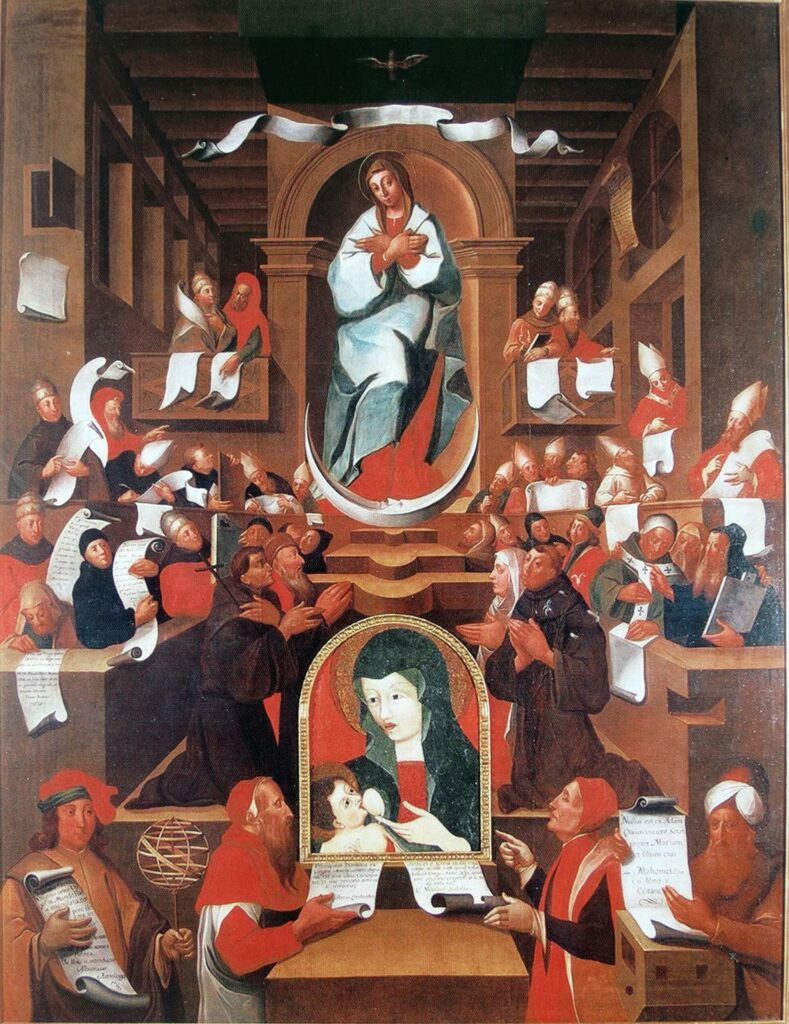
CROATIA
Michiele Luposignoli, Immaculate Conception1724 Poljud, Split.
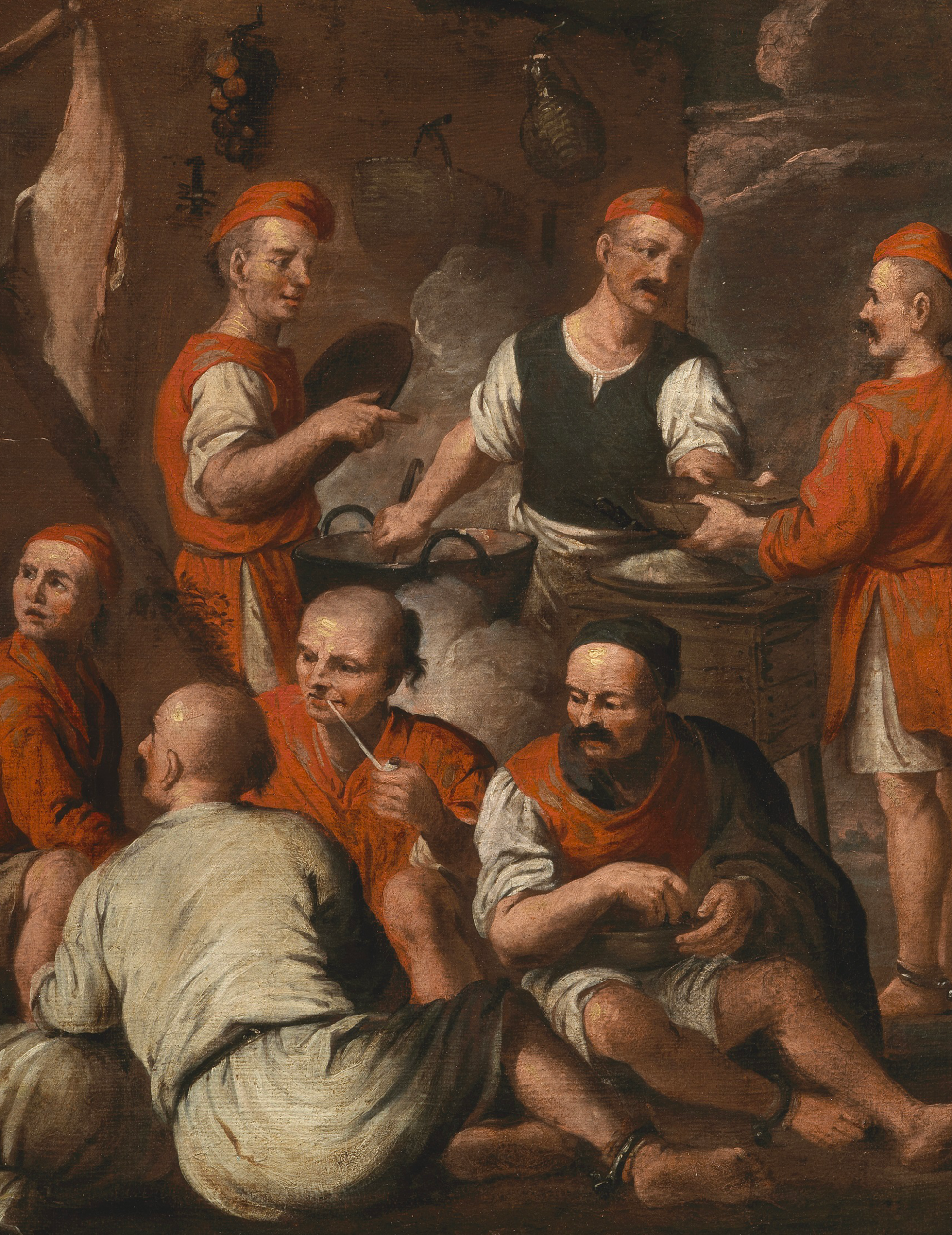
ITALIA
Cornelis de Wael The Slaves’ Meal, ca. 1645, Private Collection
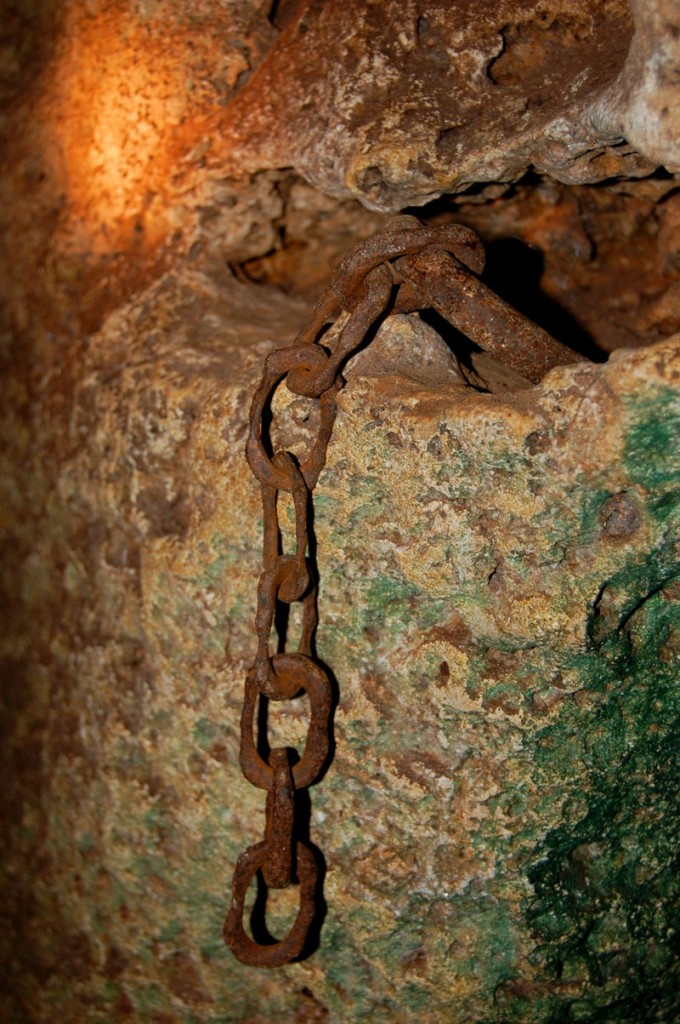
KENYA
Shimoni Slave Caves, Kwale
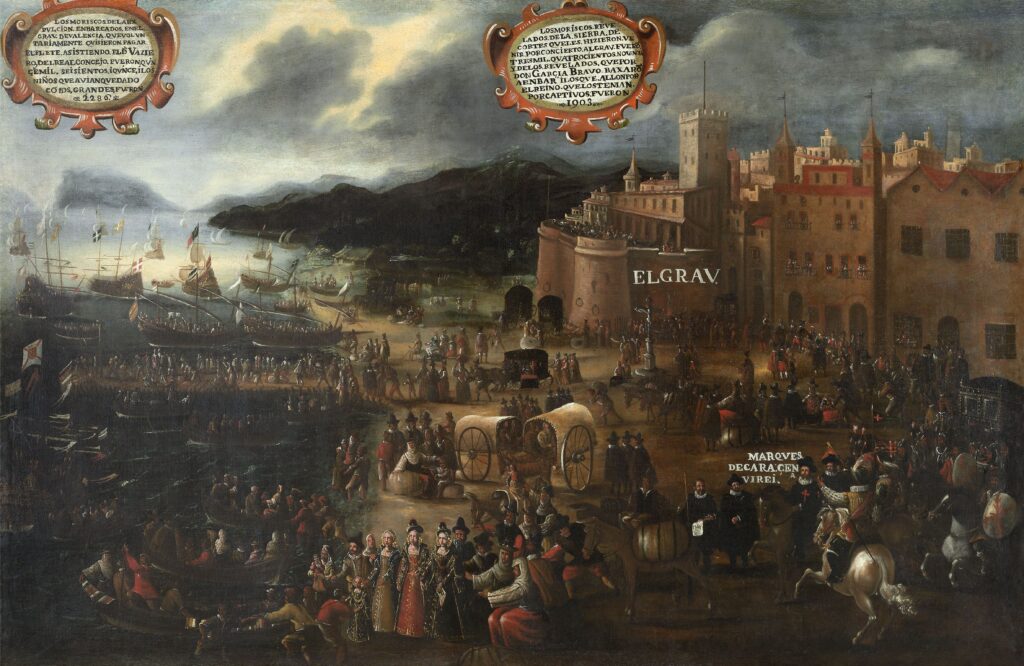
SPAIN
Pere Oromig Expulsion of the Moriscos from the Port of El Grao of Valencia, c. 1614, Valencia
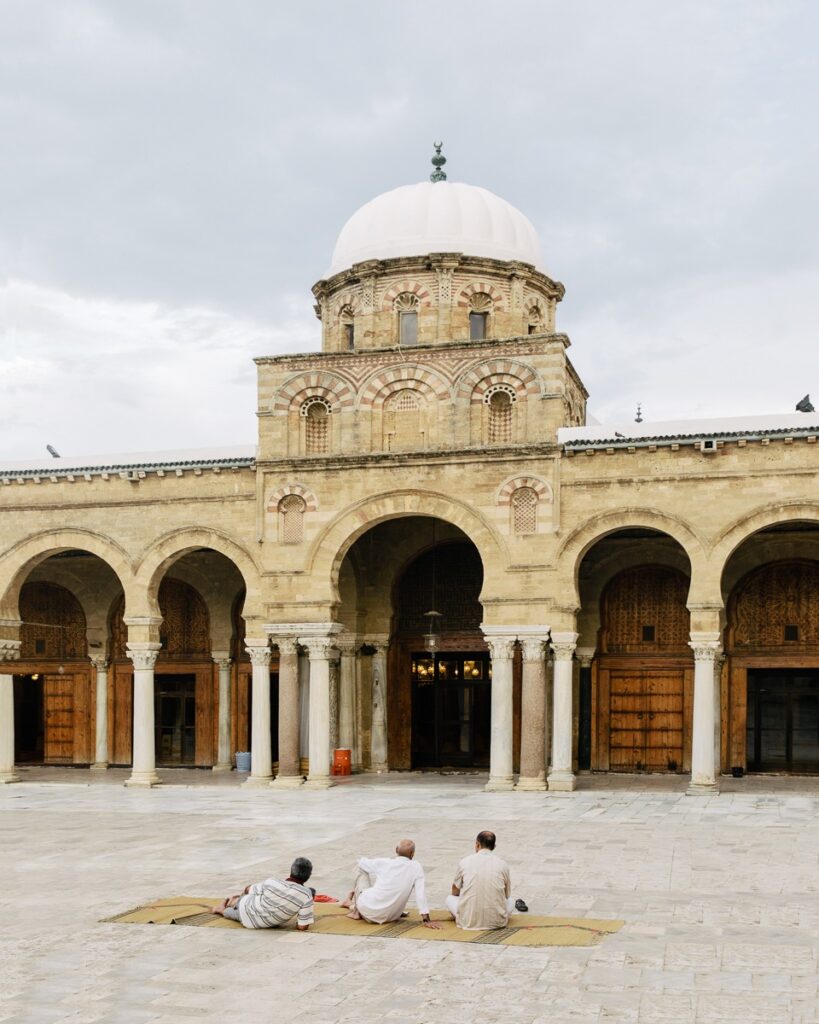
TUNISIA
Zitouna Mosque At the center of the Medina of Tunis, end of 7th century
CIRCE adopts an interdisciplinary research strategy combining historical investigation with participatory and arts-based approaches. The work is organised in successive phases that move from the identification of controversial heritage to the development and testing of interpretative tools and educational resources.
Qualitative methods include focus groups with stakeholders, participatory mapping activities and decolonial heritage walks that explore how different communities perceive and interpret contested sites and images. Collaborative co-design sessions contribute to the creation of visual materials and conceptual frameworks, while artist-led workshops stimulate critical reflection and alternative narratives.
The resulting model is tested through pilot training activities and learning materials designed to support museums, cultural institutions and tourism professionals in addressing controversial heritage.